❋
Updated | January 2026Welcome to my user
manual
A guide to working together effectively and building trust from day one.
Welcome!
About This Manual
If you’re reading this, you probably either joined my team or we’re collaborating closely. This page offers insight into my mindset, working style, and leadership approach, helping us build trust more quickly. I am a purpose-driven design leader who balances vision with empathy, as well as structure with creativity. I excel in ambiguity, clarifying complexity, and guiding teams to focus on what truly matters.
This is a living document—feel free to challenge it, ask questions, and contribute to its improvement. While it’s not meant to replace personal connection, it may help us reach that point faster.
What I value
Clarity from complexity
Empathy as a competitive advantage
Turning talent into capability
Directness with care
Impact over hierarchy
Fun facts
Father of twins
I live outside Philadelphia and commute ~2.5 hours each way. Go Birds!
I have a bulldog named Rosie
Former college baseball player
I love tequila
What’s in this manual
How I view my role
How I think about leadership
Supporting professional development
Performance and accountability
My approach to feedback
How I prefer to communicate
–
A few caveats
This manual reflects my approach, not necessarily Peacock’s leaders
This is a living document that will evolve
Our conversations are the source of truth
More Resources
Onboarding
Link Coming Soon
1:1’s
Link Coming Soon
OKRs
Link Coming Soon
My Role
What my job is
and what it isn’t
My Job Is To:
Hire and retain world-class talent with intention
Set clear goals aligned to customer and business value
Be the bridge between creative vision and business strategy
Answer forward-looking strategic questions about emerging opportunities
Build partnerships where design, product, and engineering share ownership
Create the conditions for consistent excellence: clarity, capability, and culture
Support you, cheer you on, and represent the team to leadership
Protect focus and integrity, even when unpopular
I Assume:
You know your job and are very good at it
You aspire to more than your current role
You’ll tell me if you’re blocked
You feel safe debating me
You trust that I have your back
You see your success through the lens of team and company success
You take ownership of outcomes, not just tasks
You’ll communicate early when priorities, timelines, or expectations shift
Working Together
Help me help you
Express your opinion and tell me when you think I’m wrong (disagree and commit)
Give me more information than less, especially if you’re blocked
Expect me to ask questions
Give me a heads up about your availability and commitments
Share your goals, challenges, and priorities
Let me know if something isn’t working and share your wins.
Be intentional and bring clarity to complexity
Lead from curiosity and conviction, not ego

Leadership Philosophy
I view leadership as a skill and management as a role.
I expect everyone on my team to demonstrate leadership — how that shows up will vary by level and experience.
There can be great leaders who are poor managers.
There should never be a manager who is a poor leader.
Professional Growth
Growth
Your career is yours. It’s your job to know where you want to go and apply feedback to meet your goals.
I’m here to give you perspective and opportunities. I approach development like I learned in baseball: turning good players into great ones, preparing the next generation to step up. When you’re thriving, I’ll see it. If you’re struggling or not feeling challenged, tell me.
I care about you as a person, not just an employee.
Performance

Note on performance
We’ll talk about performance early and often, not just during formal review moments, so there are no surprises and we stay aligned well before the end of the year. The more frequently we have these conversations, the more comfortable they become and the faster you can learn, adjust, and grow. Performance shouldn’t feel personal or reactive; it should feel expected, supportive, and useful. Together, we’ll set personal OKRs (separate from team OKRs) and revisit them quarterly to reflect progress, changing priorities, and new opportunities.
You’re struggling to meet your goals
You need more direct feedback
You’re not feeling challenged
Tell me if
Something isn’t working
You have wins to share
Priorities, timelines, or
expectations change
Feedback
Feedback as a tool for growth
Effective feedback requires three things: clarity on what we’re aiming for, the ability to receive and interpret it, and information that’s relevant and actionable. Without those, feedback is just noise.
This page explains how I think about feedback, but trust is built through conversation and consistency. We’ll talk about how you prefer to receive feedback, what’s most useful to you, and how often you want it, and we’ll adjust as we go.
I’m direct and honest because I care about your growth. I don’t sugarcoat or “sandwich” feedback, and I won’t give it unless I believe it will help you move forward. My goal is for feedback to feel expected, useful, and supportive, not personal or judgmental.
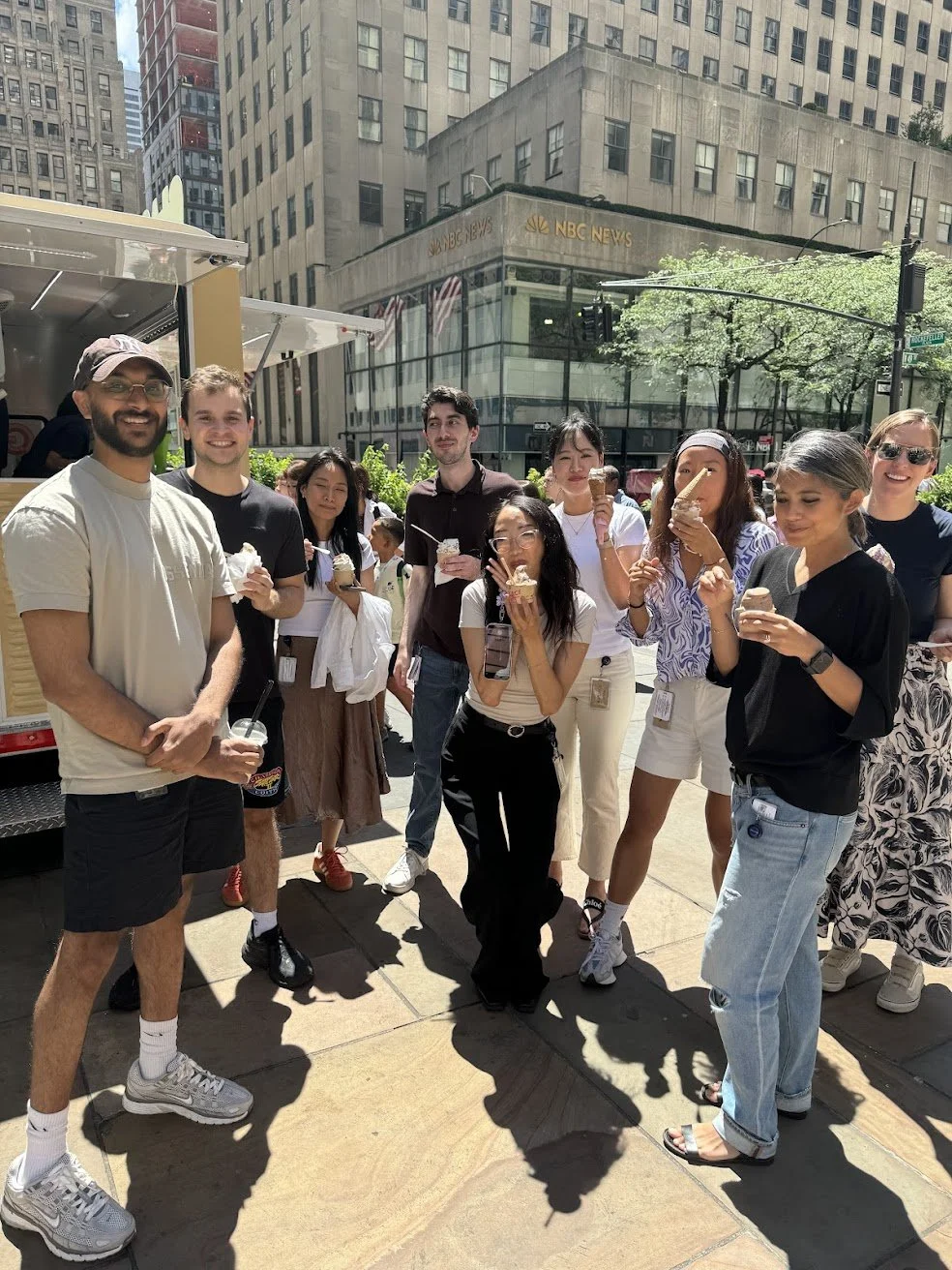
Most importantly, this manual is not a substitute for getting to know each other, but it may help us get there faster.
The real work happens in how we show up for each other, day to day.


Looking forward to
working together
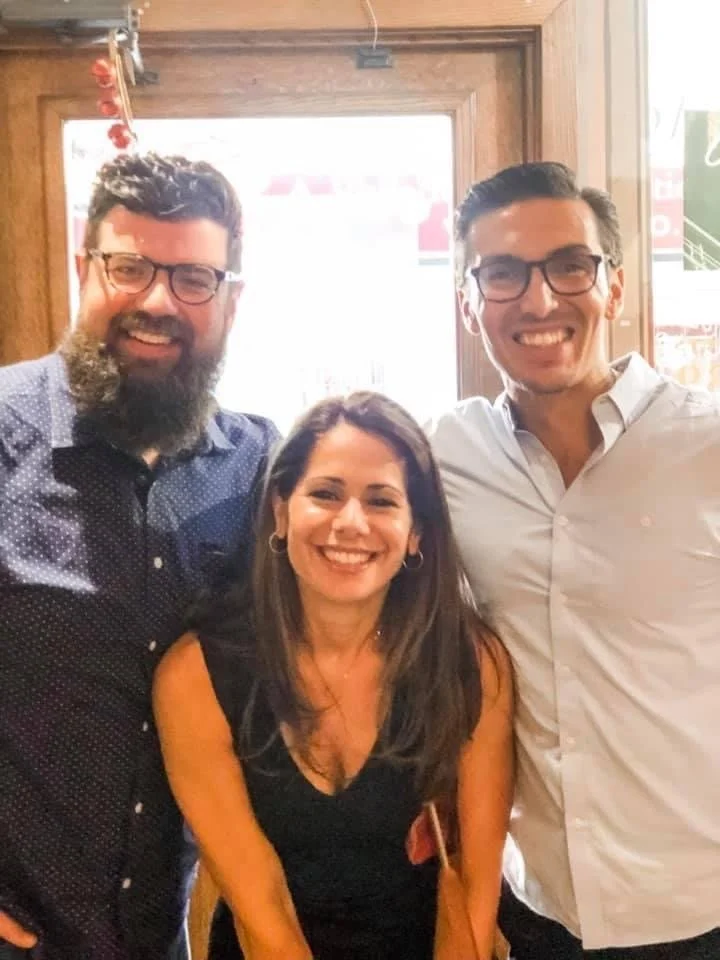

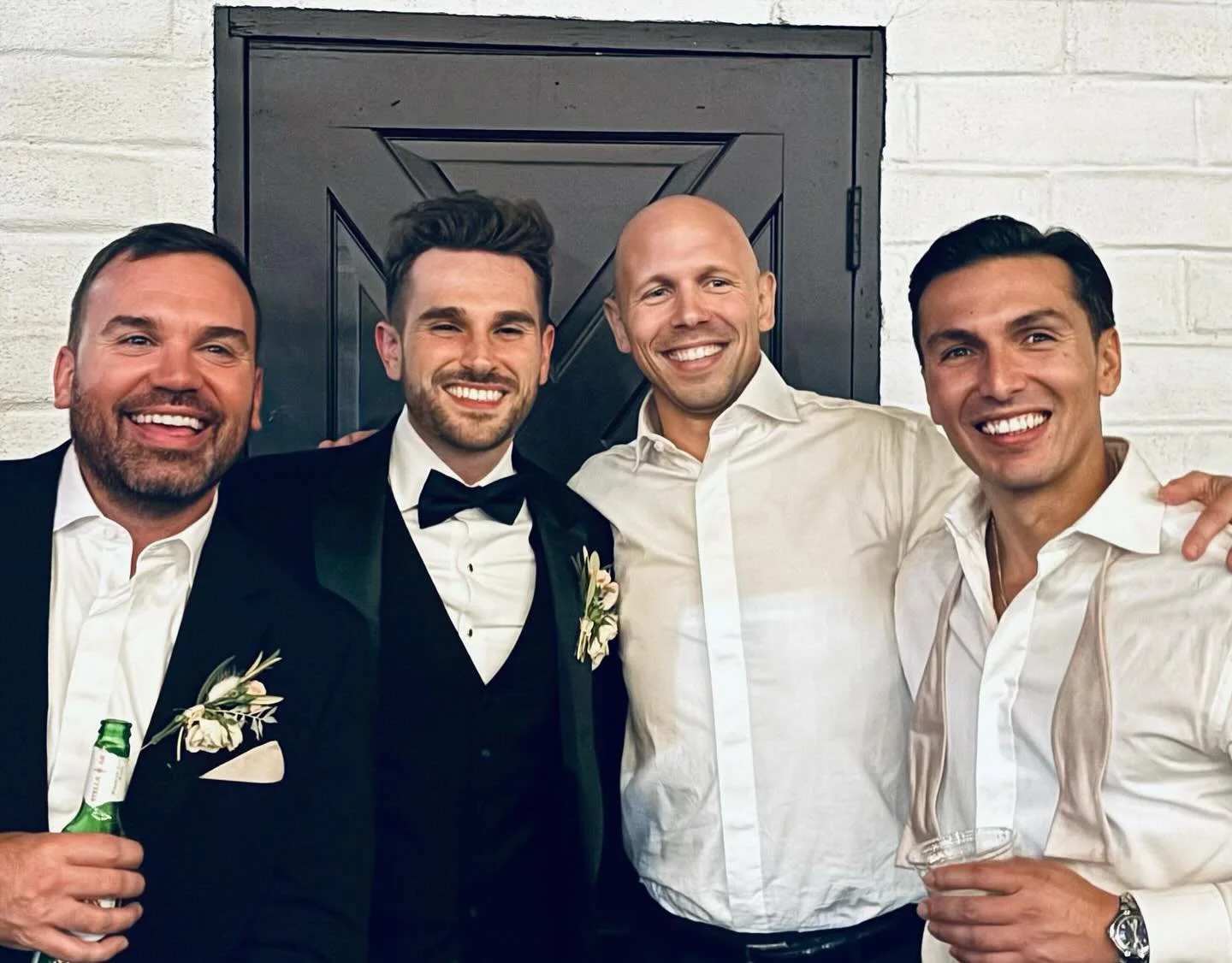
Although we’re here to work together, I hope this experience becomes more than that. Some of the most meaningful relationships in my life started as colleagues and grew into real friendships beyond the walls of this place.
Work is important, but so are the people you share it with. If we do this right, I hope we look back not just on what we built, but on the relationships we built along the way.